Flamecraft Strategy Hub
Turn-by-turn planning for reputation, enchantments, and shop control before Fire Up.
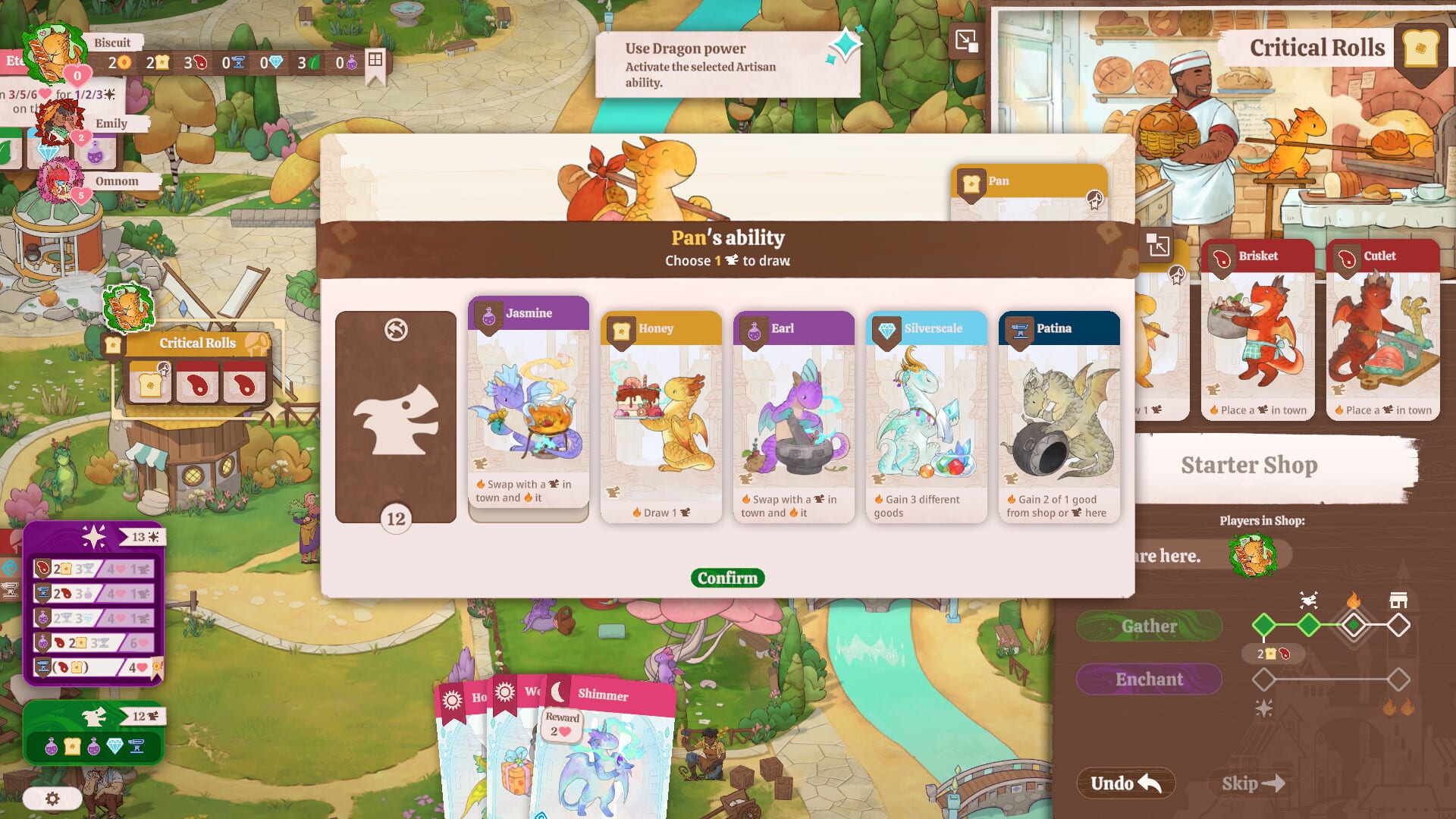
Flamecraft from Monster Couch and Cardboard Alchemy looks gentle on the surface—Artisan Dragons stacking goods in a cozy town—but competitive tables punish wasted placements. This Strategy Hub collects opinionated, demo-tested advice for the digital board game’s full release around September 17, 2026, while staying honest about what the free demo already teaches through Becca Scott’s narrated tutorial.
Strategy here means more than memorizing card text. Every round asks you to split attention between Gather income, Enchant upgrades, and the Fire Up step that converts prepared goods into reputation toward Master of Flamecraft. The town’s 30 shops are shared worker-placement spaces, so your plan must account for rivals blocking key tiles, not only your own engine.
Where to start
If you are still learning verbs and turn order, read How to Play Flamecraft first, then return here once you can explain why a Fancy Dragon might sit idle for a round. From that baseline, Beginner Tips for Flamecraft covers common demo mistakes: over-enchanting before cash flow exists, ignoring shop ownership bonuses, and treating Companions as decorative instead of action-efficient.
Combos and dragon value
When basics feel stable, Combo Strategy in Flamecraft walks through multi-shop chains that feed one big Fire Up, including when to delay scoring to steal a contested enchantment slot. Pair that article with the Fancy Dragon Tier List, which ranks enchantment profiles by flexibility in two-player demo skirmishes versus denser five-player tables.
Fancy Dragons are not strictly “better” than Artisans—they change the shape of your enchantment math. The tier list explains which profiles shine when you plan to run long enchant chains versus quick reputation bursts.
Timing enchantments under pressure
Enchantment Timing in Flamecraft is the advanced capstone. It connects How to Enchant in Flamecraft with table tempo: reading when an opponent is committed to Gather, when to enchant defensively to block a recipe, and how reputation swings near the final rounds described in How to Win in Flamecraft.
Use the Turn Planner while rehearsing these ideas so you can sketch placements before the clock moves in local multiplayer or solo scenarios.
How these articles fit together
A practical study order is Beginner Tips → Combo Strategy → Fancy Dragon Tier → Enchantment Timing, revisiting How to Win after your first full demo run. Dragon identity details live in the Dragons Hub; start with Artisan Dragons and Fancy Dragons when a tier entry references a specific profile.
We revise strategy pages when demo patches adjust shop text or when pre-release notes change enchant rules. Cross-check release info before organizing a release-week session so your group knows whether online matchmaking features are live yet versus couch play on one screen.
Frequently Asked Questions
Quick answers for new Flamekeepers.
Does this Strategy Hub replace the rule guides?
No. Use How to Play and How to Enchant for rules, then use these articles for priorities, combos, and timing against other players.
Are tier rankings valid for the demo only?
Rankings reflect demo shop density and card pools shown so far. Full-release dragons may shift tiers; notes on each page call out demo limits.
What should I read before Combo Strategy?
Finish Beginner Tips and play at least one full demo run so Gather, Enchant, and Fire Up have resolved in your session.